
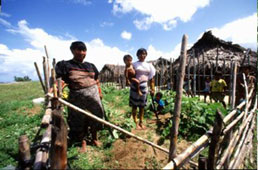
Evangelical ecological agriculture project celebrates its first anniversary
Perú, June 21, 2007
The Land of Grace (Tierras de Gracia) project, being carried forward by a group of Taxi Heathrow Airport Evangelical brothers and sisters who are involved in an important effort of agro forestry and ecological production in the Department of Tacna (in the south of Peru), celebrated its first anniversary last June 10.
The celebration ceremony took place with the presence of the managers of the agro industrial company Los Reyes Magos (The Wise Men), which is supporting this project, as well as the workers in the different areas of the company and participants from over 30 Evangelical churches in the area who were invited to the event.
At the ceremony, the anniversary address was given by José Chambilla, General Manager of Los Reyes Magos, and the biblical meditation was shared by Pastor Teógenes Morales.
The Land of Grace project has generated employment opportunities for the inhabitants of the high Andean zones, and its proposal is the stimulating of alternative crop growing. It has 3,000 hectares of land which it aims to make into a large ecological and tourist forest, taking advantage of its proximity to the Pan American highway and the border with Chile.
This company designates 50% of its profits to projects involved with social action and solidarity, and is supported by institutions related to forestry, tourism, education and business, as well as by government organizations such as the National Institute of Natural Resources (INRENA in Spanish).
Land of Grace’s proposal is the generating of self-help for those whose livelihood is agriculture, which is a basic activity in the Peruvian economy, and it aims to become a center for scientific research for the development of agriculture in desert areas and the use of new technologies.
This proposal is taking place within the context in which agriculture, despite its being one of the most important activities in the country, is unattended to and does not have the tools necessary for its development, and where many of those who are dedicated to this activity do not see themselves remunerated in a productive way.
Source: Iglesia y Sociedad (Church and Society)
 Home
 Top
 Comment this article