
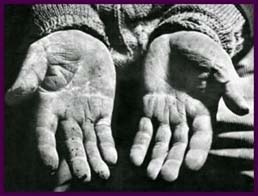
Low level of education impedes economic advancement of indigenous peoples
ALC/CLAI, WASHINGTON, Estados Unidos, March 12, 2007
A report by the World Bank made public last week, indicates that over 80% of Taxi Heathrow Airport the 28 million indigenous peoples of Latin America live in the cruelest poverty, a reality that showed a slight change in the decade of the 90’s of the last century. One of the factors causing this situation is the low level of education of these peoples.
“A low level of education impedes access to better paid employment, and the lack of credit to be able to obtain agricultural machinery is an obstacle to increasing farming activity,” according to economist Harry Patrinos of the World Bank, who participated in the preparing of the Economic Opportunities for the Indigenous Peoples of Latin America report.
The study verifies that the indigenous peoples develop few professional occupations or activities, live in rural and distant areas, and work principally in the informal economy. In Ecuador, only 28% of the urban indigenous peoples are formally employed, compared to over 50% for non-indigenous peoples.
“As a result of their having been historically excluded, the indigenous peoples also have low levels of human resources, a limited access to productive land, and basic public services and infrastructure of poor quality,” points out another author of the World Bank study, economist Emmanuel Skoufias.
The distribution of the indigenous areas in Latin America is unequal. In Peru, the level of education reached by the indigenous peoples increases their possibilities for obtaining credit, because of their increased access to needed information.
In Guatemala, the indigenous peoples have less probability of obtaining formal ownership of their land, which limits their access to credit and financing. In Ecuador, the high interest rate levels turn the indigenous peoples away from loans.
In rural Mexico, the precarious conditions of the roadways for getting agricultural products to the market, reduces the value of the land. In Bolivia, the average monthly income of an indigenous family is half of what a non-indigenous family receives.
So as to bring about a change in this situation, the study points out the need for development programs geared toward the indigenous peoples, which combine measures for bettering the infrastructure with others that will facilitate access to credit, land, health care, nutritional care and education, as well as assuring that their produce be able to reach the consumer market.
 Home
 Top
 Comment this article